
The Ramly Method
An Anatomy-Driven Approach to Facial Rejuvenation
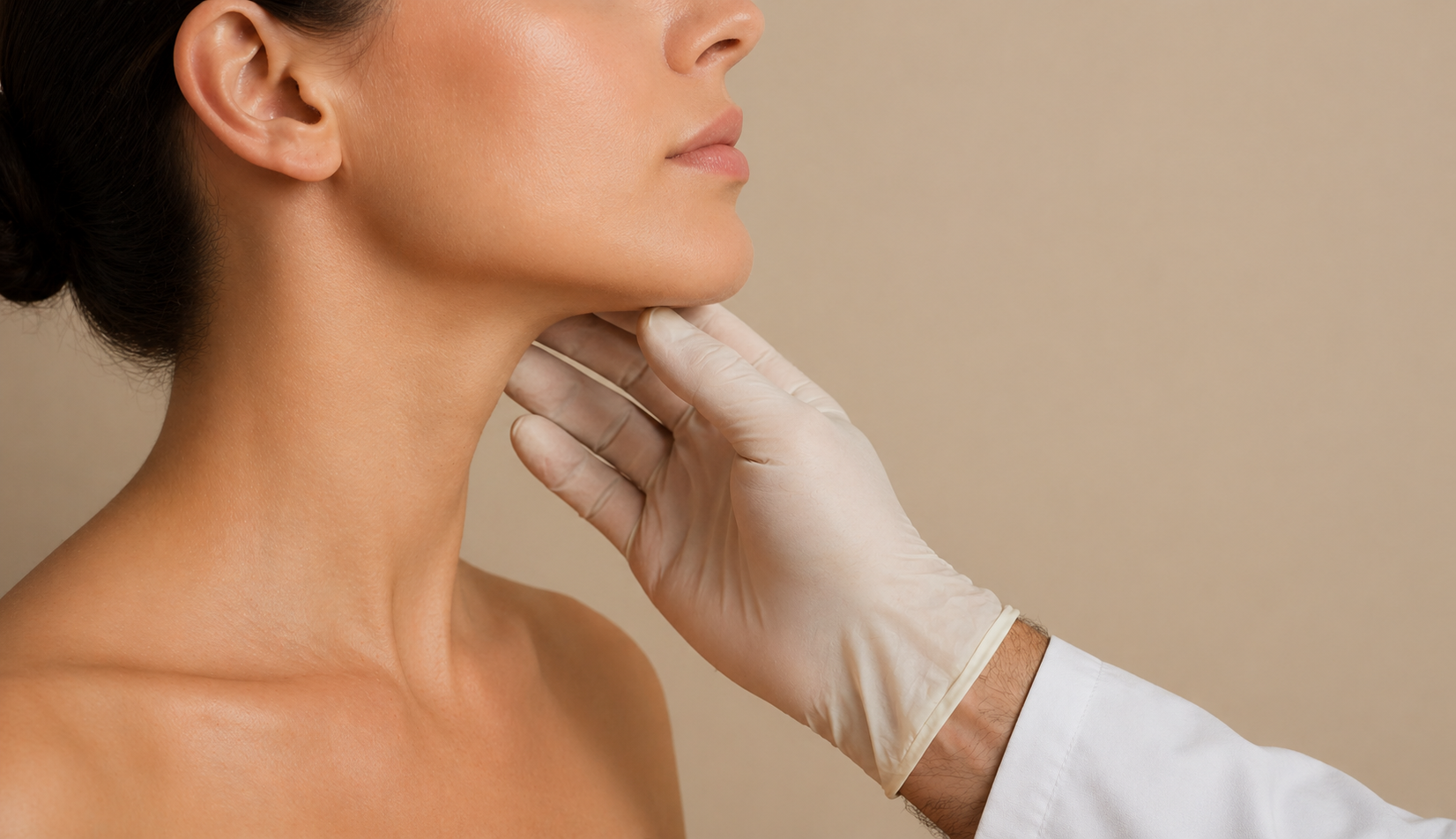
The Ramly Method is an anatomy-driven approach to facelift surgery focused on restoring structure rather than creating tension. Patients seeking a facelift in Beverly Hills are often presented with different named techniques, but in reality, no single method is appropriate for every face.
Instead of applying a standardized approach, the Ramly Method begins with a detailed analysis of facial anatomy, aging patterns, and structural change. The appropriate facelift technique is then selected based on these findings, allowing for results that appear natural, balanced, and consistent with the patient’s identity.
This approach reflects a shift away from technique-driven surgery toward anatomy-driven decision making.
It is defined by:
Structural repositioning rather than skin tightening
Individualized technique selection based on anatomy
Integration of the face and neck as a single unit
Preservation of identity, expression, and character
The goal is not to create a different face, but to restore the underlying structure in a way that appears effortless, harmonious, and unoperated.
How Ramly Plastic Surgery Selects the Right Technique
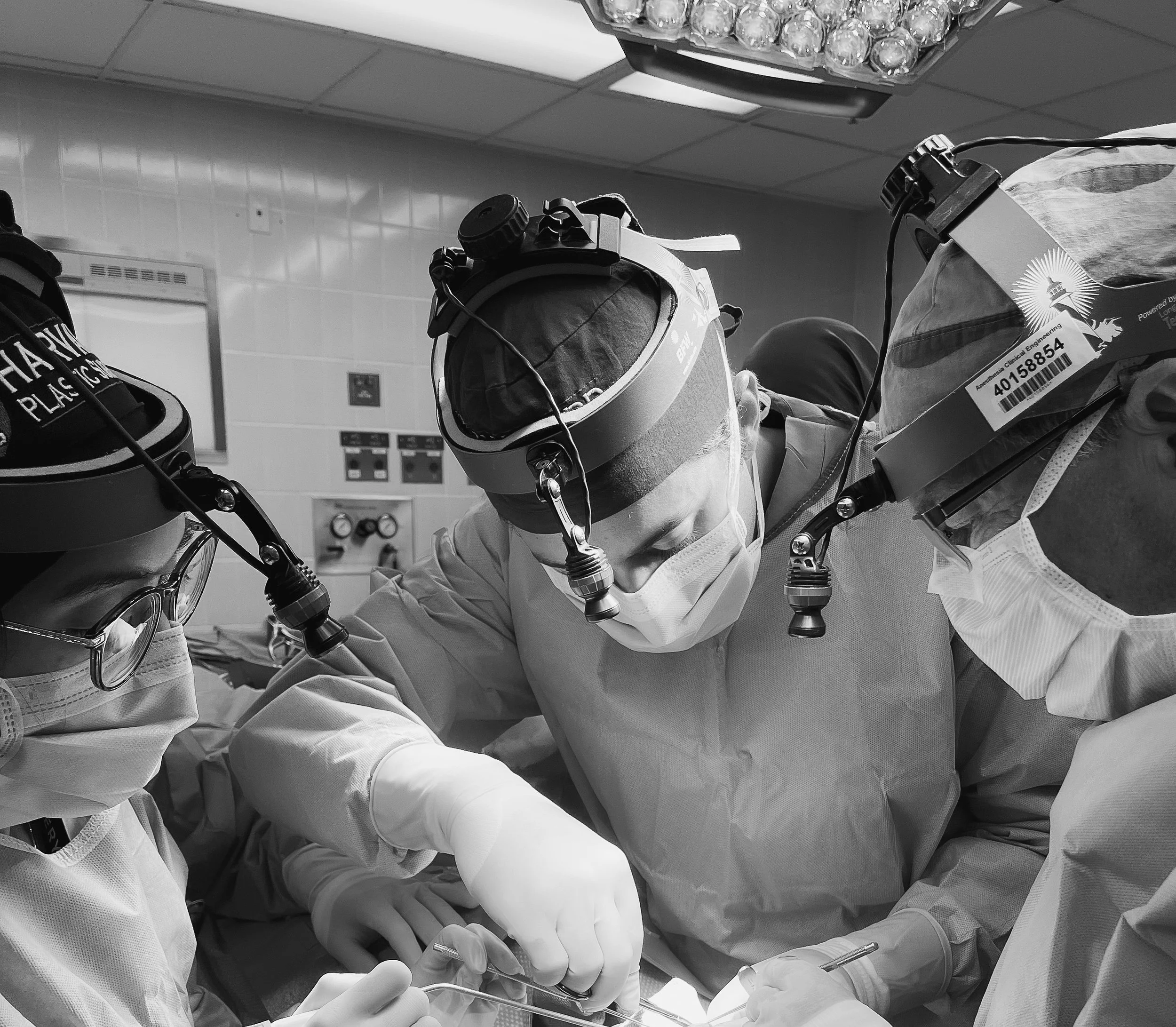
The Ramly Method is based on structured analysis rather than preference. Each surgical plan is developed by evaluating:
Skin quality and elasticity
Position and descent of deeper facial structures
Midface volume and contour
Jawline definition
Neck anatomy, including muscle banding and submental fullness
These variables determine whether a deep plane facelift, SMAS facelift, or a combined approach will produce the most refined and natural result.
Why Technique Alone Does Not Define the Outcome
Much of the public discussion around facelift surgery centers on choosing between techniques such as a deep plane facelift or a SMAS facelift. While these approaches are important, they are tools — not answers.
Outcomes are determined by how appropriately a technique is selected and executed based on the patient’s anatomy.
Applying a single technique universally, regardless of facial structure, is a common cause of unnatural results.
Three Pillars for Excellent Plastic Surgery Results
At Ramly Plastic Surgery, our approach is defined by three guiding principles that shape every consultation and procedure: preserving each patient’s unique identity and personal character; employing undetectable techniques grounded in anatomical precision; and delivering a refined recovery that prioritizes comfort, safety, and a swift return to everyday life. These pillars ensure results that look natural, feel authentic, and support your life — not interrupt it.

-
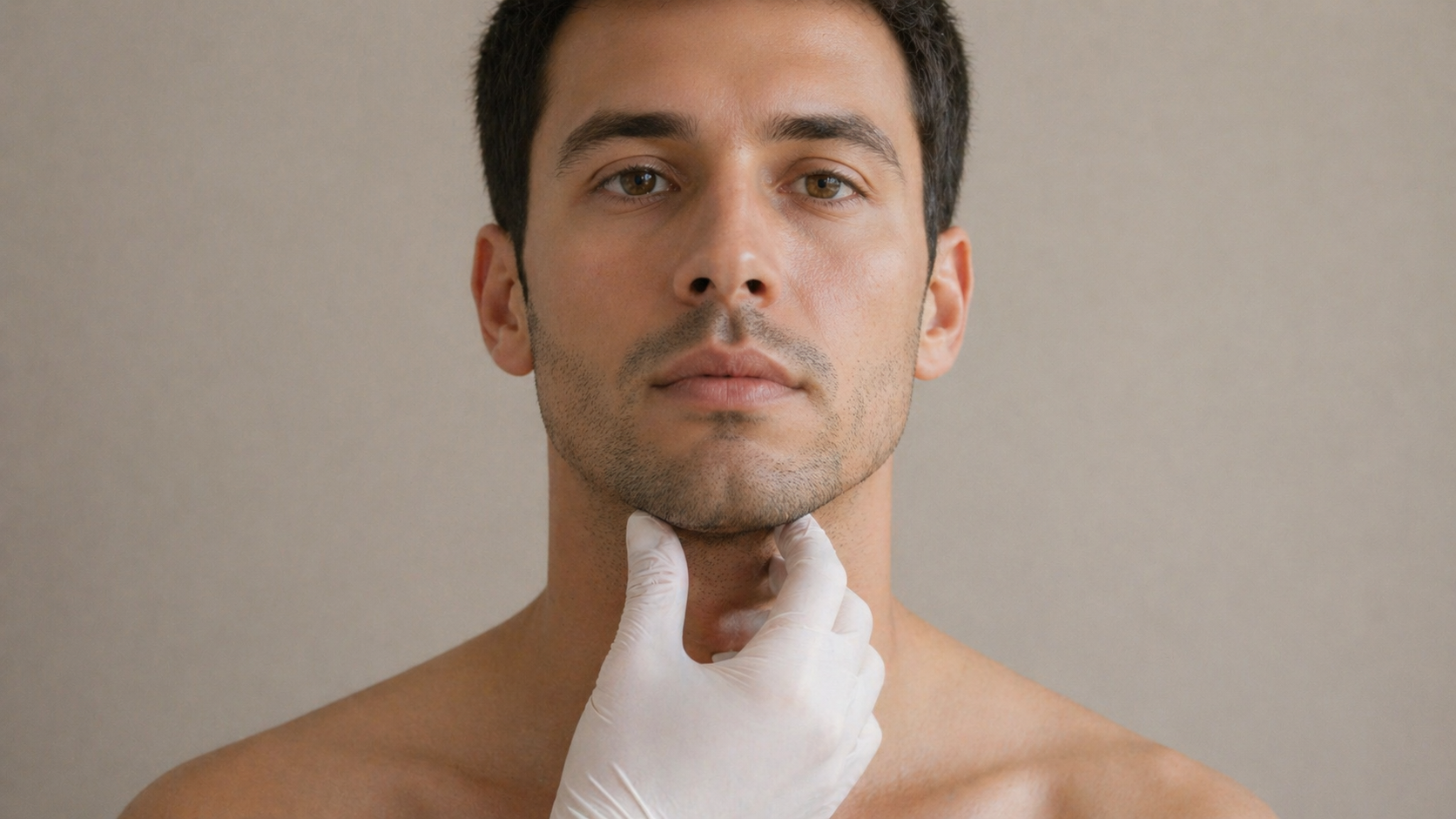
A defining principle of the Ramly Method is the preservation of each patient’s unique facial identity.
Every face has characteristics that create recognition and expression—subtle asymmetries, contours, and transitions that define how a person looks at rest and in motion. These are not imperfections to be erased, but features to be respected.
The goal is to restore structural support while maintaining the patient’s expression and individuality.
When performed correctly, the result appears as a more rested, defined, and structurally balanced version of the same person.
-
Achieving a natural result depends not only on what is lifted, but how the procedure is executed.
The Ramly Method incorporates precise, individualized surgical design that follows each patient’s natural anatomical transitions, including:
Existing creases and junctions between facial subunits
Hairline patterns and direction of growth
Angles of light reflection and shadow across the face and neck
Skin tension lines and movement patterns
Incision placement, vector of lift, and tissue handling are adapted to these variables, allowing the surgical work to integrate seamlessly with the patient’s anatomy.
The objective is alignment with the body’s natural structure, resulting in techniques that are effectively undetectable.

-
A defining characteristic of the Ramly Method is not only how results appear over time, but how patients experience the early postoperative period.
Through precise, anatomy-respecting technique and meticulous tissue handling, the procedure is designed to minimize disruption to surrounding structures. This often results in:
Reduced bruising and swelling in the early postoperative phase
Preservation of normal tissue planes and vascularity
A smoother and more predictable recovery trajectory
Many patients demonstrate a refined appearance even in the first days following surgery, with improvements in contour visible despite expected early healing changes.
Because the method emphasizes structural repositioning with minimal tension and careful execution, patients are often able to return to social and professional settings earlier than traditionally expected.
The result is a recovery in which the outcome appears consistent, natural, and aligned with the patient’s identity—even under close scrutiny, including high-definition photography and in-person interaction.
Advanced and Revision Cases: The Pre-Treated Face
Facial rejuvenation today is increasingly performed in patients who have undergone prior nonsurgical and surgical treatments.
These interventions can alter underlying anatomy in ways that are not immediately visible, affecting tissue planes, structural support, skin quality, and vascularity. Many patients now present with a pre-treated face that requires a more advanced level of analysis and planning.
A central component of the Ramly Method is a structured evaluation of these changes. This includes assessing:
Residual or migrated dermal filler
Effects of biostimulatory agents on tissue density
Skin quality following lasers or energy-based treatments
Structural distortion from thread lifts
Changes from previous facelift or neck lift procedures
This analysis informs technique selection as well as the sequence and execution of surgery.
Patients who have undergone prior procedures or present with complex anatomical challenges require a higher level of planning and execution. The Ramly Method is frequently applied in these advanced and revision cases, where prior surgery or structural alteration demands a more nuanced approach.
In these settings, strategy is guided by careful analysis of altered anatomy, preservation of viable tissue, and precise technique selection to restore balance without overcorrection.
Dr. Elie Ramly is frequently consulted by other surgeons for advanced facial cases, including revision facelift and revision rhinoplasty, where additional structural analysis or intraoperative strategy may be required.
Adapting to the Whole Patient — Age, Weight Change, and Health
Facial aging does not occur in isolation. It is influenced by age, weight fluctuations, and overall health.
The Ramly Method integrates these variables into surgical and perioperative planning, tailoring treatment to the individual patient.
Weight fluctuations—including those associated with GLP-1 medications or bariatric surgery—can alter facial structure in distinct ways. The method adapts technique selection and structural approach accordingly.
The goal is to achieve refined outcomes while minimizing risk and supporting long-term results.

Serving a Global and High-Visibility Patient Population
The Ramly Method is applied across a diverse and often high-visibility patient population, including individuals in leadership, creative, and public-facing roles.
Many seek results that must withstand close scrutiny while remaining natural and unrecognizable as surgical. For these patients, the margin for error is narrow, and the standard for subtlety is high.
Facelift surgery is not defined by a single technique, but by the ability to understand the individual — their anatomy, their history, and their identity.
For patients considering a facelift in Beverly Hills, the Ramly Method represents an anatomy-driven framework that restores structure, preserves identity, and adapts to complexity.
To learn whether the Ramly Method is appropriate for your goals, request a consultation.
Frequently Asked Questions
What is the Ramly Method?
1
The Ramly Method is an anatomy-driven approach to facelift surgery developed by Dr. Elie Ramly in Beverly Hills. Rather than applying a single standardized technique, the method selects the appropriate surgical approach based on each patient’s individual facial structure, aging patterns, and treatment history.
How is the Ramly Method different from a deep plane facelift?
2
A deep plane facelift is one of several techniques that may be used within the Ramly Method. The distinction is that the Ramly Method does not default to any single technique. Instead, it evaluates anatomy first and selects the approach — whether deep plane, SMAS, or a combined strategy — that will produce the most natural and lasting result for that individual.
What does “anatomy-driven” mean in the context of facelift surgery?
3
Anatomy-driven means that every decision — from technique selection to incision placement to vector of lift — is determined by the patient’s specific facial and neck structure, rather than by a predetermined method. This produces results that are aligned with the patient’s natural features rather than imposed upon them.
Can the Ramly Method be used for patients who have had prior facelifts or nonsurgical treatments?
4
Yes. A central component of the Ramly Method is the structured evaluation of the pre-treated face. Patients who have had prior facelifts, dermal fillers, thread lifts, or energy-based treatments often present with altered anatomy that requires a modified surgical approach. The method is specifically designed to account for these changes.
What is the recovery like with the Ramly Method?
5
Because the method emphasizes precise tissue handling and minimal tension, many patients experience reduced bruising and swelling compared to traditional approaches. Patients are often able to return to social and professional settings earlier than traditionally expected, with results that appear refined even in the early postoperative period.
Is the Ramly Method only for facelifts?
6
The Ramly Method is primarily applied to facelift and neck lift surgery, but its principles of anatomy-driven planning and identity preservation extend to Dr. Ramly’s broader approach to facial plastic surgery, including revision rhinoplasty and complex facial cases.
Why do other surgeons refer patients to Dr. Ramly?
7
Dr. Ramly is frequently consulted by other surgeons for advanced and revision facial cases where additional structural analysis or intraoperative strategy is required. This reflects a recognition that certain cases — particularly those involving prior surgery or complex anatomy — benefit from a more detailed, anatomy-driven approach.
Who is a good candidate for the Ramly Method?
8
Candidates include patients seeking natural, undetectable facial rejuvenation — whether as a first-time procedure or as a revision following prior surgery or nonsurgical treatments. The method is particularly well-suited for patients who prioritize subtlety, identity preservation, and results that hold up under close scrutiny, including on camera.
Does the Ramly Method address facial changes from GLP-1 medications or significant weight loss?
9
Yes. Weight fluctuations, including those associated with GLP-1 medications or bariatric surgery, can produce distinct patterns of facial volume loss and skin laxity. The Ramly Method adapts technique selection and structural planning to address these specific changes.
Where is the Ramly Method performed?
10
The Ramly Method is performed by Dr. Elie Ramly at his practice in Beverly Hills, California. Dr. Ramly serves patients locally, nationally, and internationally.